
Image Search System Choice: Standalone vs LAN vs Enterprise
image search system choice is not only a feature comparison. It is an architecture fit decision. Many teams start successfully with a standalone setup, then struggle when collaboration, permissions, and compliance requirements expand. This guide compares standalone, LAN, and enterprise editions with a practical framework for phased decisions.
Start with decision variables, not sticker price
Before choosing an edition, answer these questions:
- Do you handle sensitive assets with compliance constraints?
- Is usage individual, or cross-team and cross-department?
- Do you need role-based access and audit traceability?
- Will the organization scale significantly in 6-12 months?
If at least two answers are yes, cost-only selection usually leads to expensive rework.
Standalone vs LAN vs Enterprise: capability comparison
| Dimension | Standalone | LAN Edition | Enterprise Edition |
|---|---|---|---|
| Team size | 1-3 users | 5-30 users | 30+ users, multi-department |
| Data scope | Local folders | Shared LAN folders | Multi-domain data scope |
| Access control | Basic | Folder-level | Role + domain-level |
| Audit | Minimal logs | Operational logs | Full audit trail |
| Ops complexity | Low | Medium | Medium to high |
| Extensibility | Limited | Moderate | High + integrations |
 Caption: Core search feels similar, while governance and scalability vary by edition.
Migration path: avoid big-bang rollouts
Stage 1: validate retrieval value with standalone
Use standalone first to verify search precision, indexing quality, and workflow adoption in a low-risk scope.
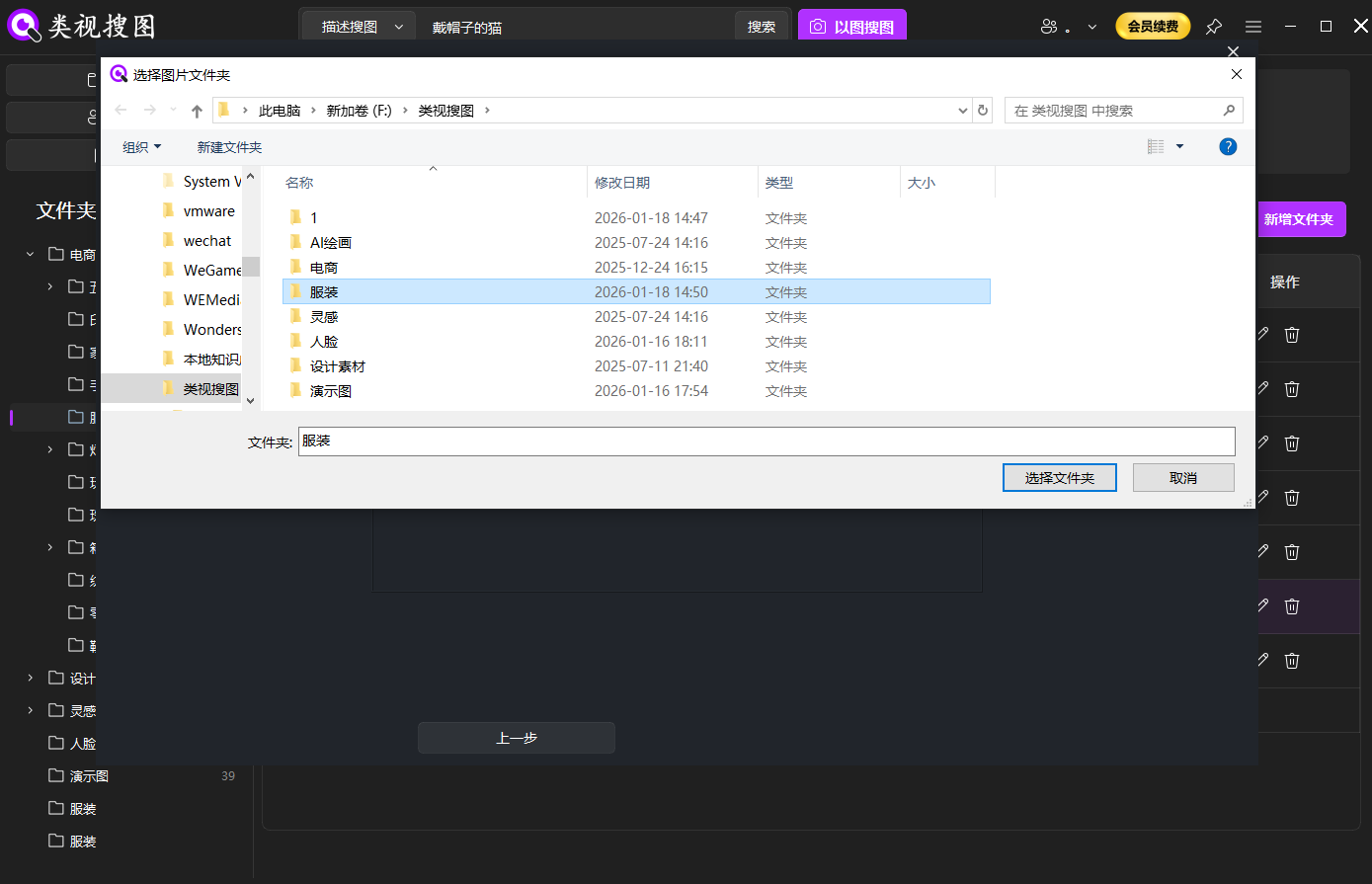 Caption: Stage one should validate usable outcomes, not maximize feature coverage.
Stage 2: unify shared repositories with LAN edition
When multiple functions need common access, LAN edition reduces duplicate indexing and standardizes search behavior.
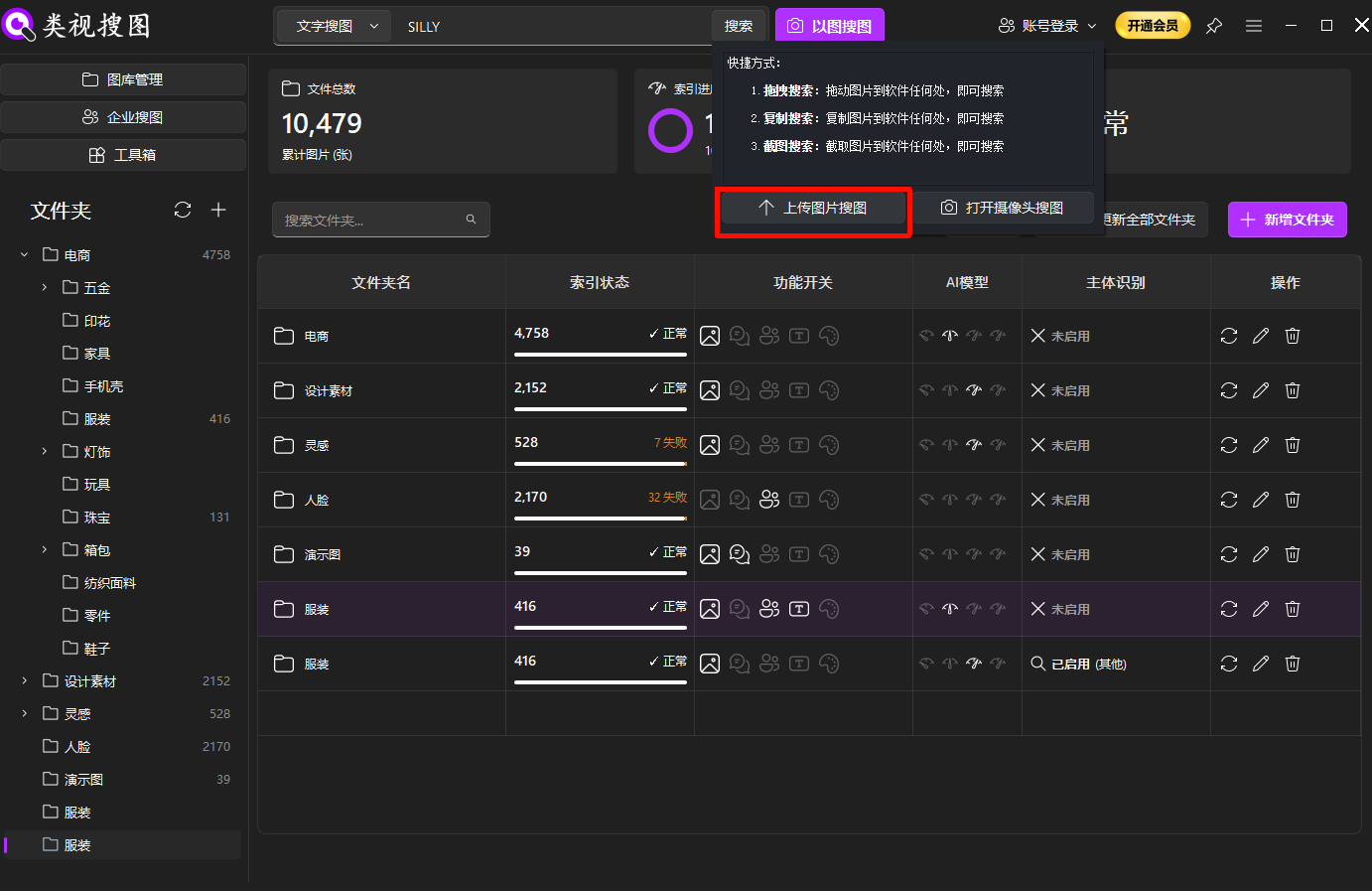 Caption: A shared entry point improves consistency and lowers team onboarding cost.
Stage 3: add governance with enterprise edition
When you need domain-level access, full auditing, and API integration, enterprise edition becomes the practical baseline.
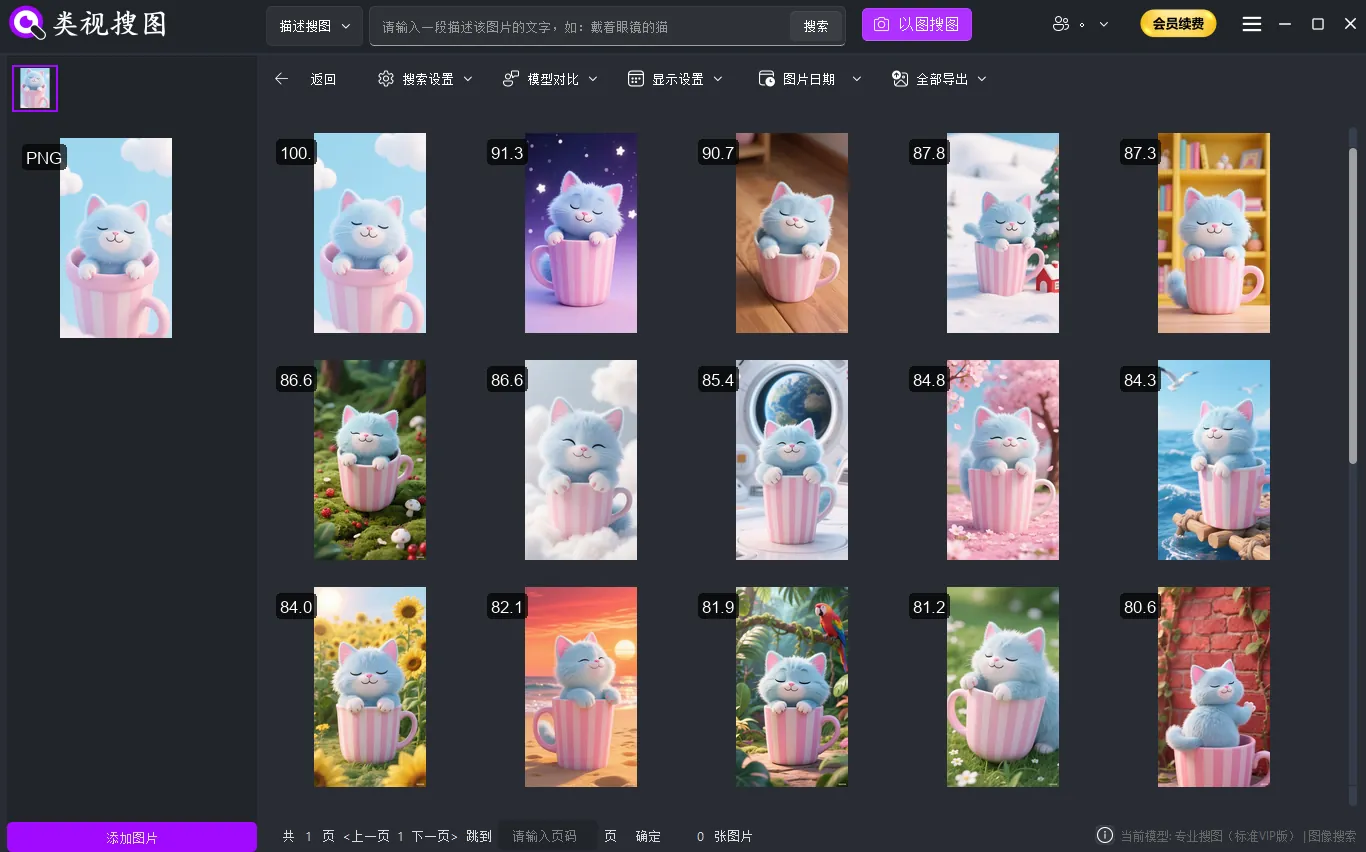 Caption: Enterprise value is primarily governance and scalability, not only search speed.
Cost and risk: hidden trade-offs by edition
Do not evaluate only license cost. Include hidden costs:
- Standalone hidden cost: high collaboration friction as team size grows
- LAN hidden cost: governance retrofitting can be expensive later
- Enterprise hidden cost: requires process maturity to unlock full value
A realistic TCO model should include time-to-asset, collaboration overhead, and compliance risk exposure.
One-page selection checklist
Use this checklist for quick alignment:
- Will active users exceed 30 in one year?
- Is role-based access and audit mandatory?
- Do you need API integration into business systems?
- Do teams operate across multiple storage domains?
- Must data stay strictly on-premise?
If 1-2 answers are yes, LAN is usually enough. If 3+ answers are yes, enterprise is usually the safer long-term option.
Related reads
- Private deployment essentials
- Offline high-security retrieval strategy
- Collaborative search operations
Final recommendation
There is no universally best edition. The best option is the one that matches your current complexity while keeping an upgrade path open. Follow a phased path: validate value, standardize collaboration, then add governance and integration at the right time.